Collectibles Without Receipts: What Can You Still Document?
No receipt for a collectible? Start with the item itself, keep memories separate from evidence and build a useful record without inventing missing details.
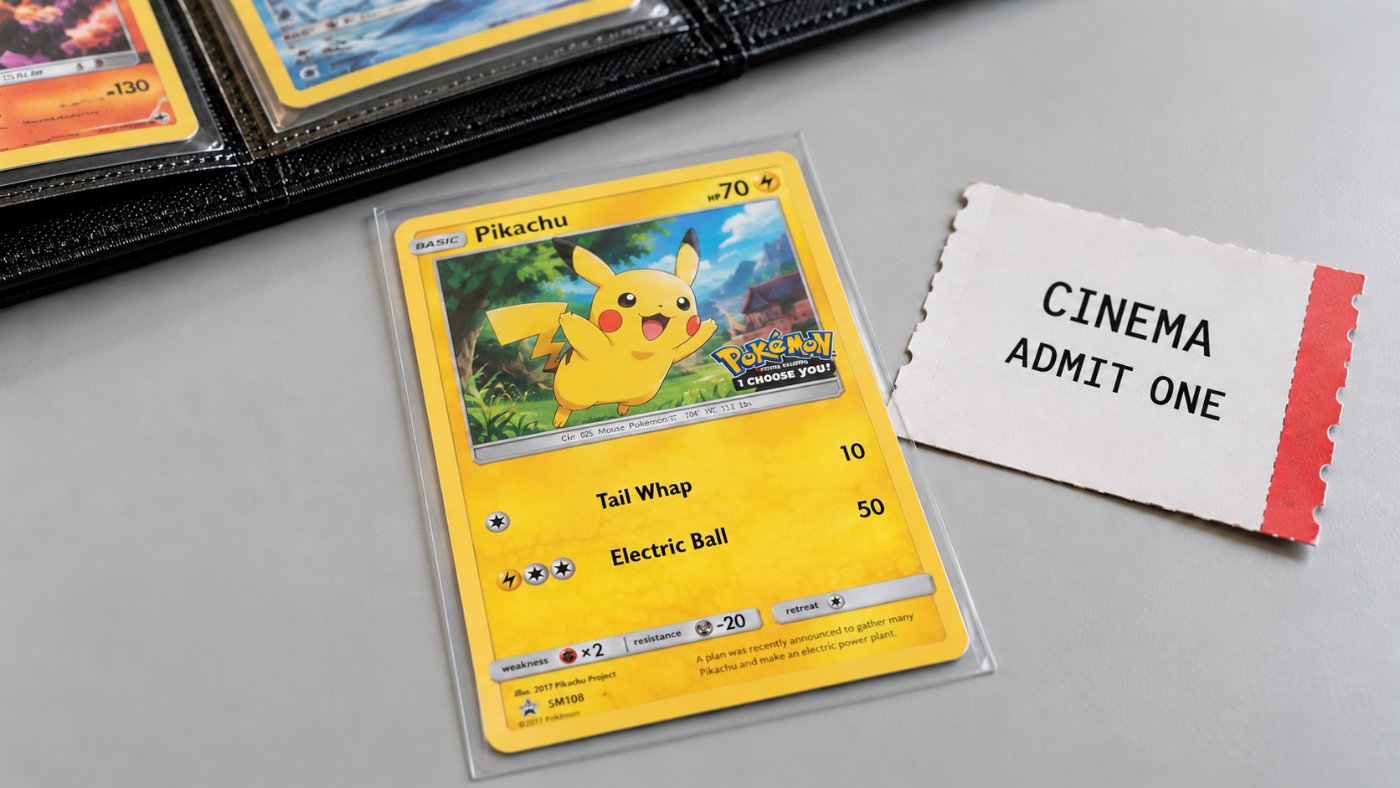
A Pokémon promo card handed out at a cinema may never have had a purchase receipt of its own. Years later, you still have the card. You remember the outing, perhaps who you went with, but not the exact date. When you start documenting the collection, a request for purchase details seems to leave you stuck before you have begun.
The same problem comes up with gifts, childhood collections and private purchases. Sometimes a receipt has been lost. Sometimes there was never one to keep.
You can still make a useful record. Identify the collectible, photograph your particular copy and explain how it came to you, keeping recollection separate from information you can verify. CollectorOps brings those details together in a private item record that you can build on as more information emerges.
First establish which item you have
Take the cinema promo as a worked example. “Pokémon card from the cinema” describes a memory, but it may not identify the card precisely enough for someone else to recognise the release.
Read the name and printed card number from the card itself. Record the language and any visible promotional marking. Photograph both sides and check that those details remain readable when you enlarge the images. If you are unsure of the release, leave that question open while you compare the identifying details with a reliable reference. Do not choose a year simply because an online listing looks familiar.
Then describe the copy in front of you. A worn edge or crease matters even when you have no plans to sell. It distinguishes its present condition from a catalogue image of the same card, and from a second copy you might acquire later.
This emphasis on observable details has a useful precedent in the International Council of Museums' Object ID standard, which uses photographs, markings and distinguishing features to help identify objects. Identification is valuable in its own right; it does not reconstruct a missing transaction.
In CollectorOps, put the card's identifying details beside the photographs and condition note. At this point you already have something useful: a record of what you own now, even though part of its history remains uncertain.
Decide what is actually missing
For the cinema card, searching old bank statements for its purchase price could be the wrong task. If you remember receiving it with admission, say so. The ticket price was not necessarily a separate price paid for the card, and today's market estimate says nothing about that original arrangement.
A second-hand purchase calls for a different search. An email naming the item, a saved listing, or a message from the seller may survive after the receipt has disappeared. Start with the source most likely to help. There is no need to search every old account before saving the record.
Read what you find carefully. A payment entry may establish an amount and recipient without identifying the collectible. A family photograph might show that you had the card by a particular date. Neither should be stretched into a more detailed history than it supports.
For our cinema example, even finding the date of a film screening would not, on its own, establish that this particular card was received there. It could support a recollection without confirming every part of it.
Write the memory without turning it into evidence
Useful notes are specific about their source. “I remember receiving this at a cinema” tells a future reader something different from “the accompanying ticket and dated photograph identify the event”. Both can belong in a collection record.
For the cinema example, an acquisition and condition note could read:
Received at a cinema as a child, according to my recollection. Exact screening and date not confirmed; no separate purchase receipt kept. Printed card details recorded from the item, with front and back photographs. Small area of whitening on the upper-left reverse edge, shown in the detail photograph. Stored in the promo-card binder, page 2.
Alongside the card's name and number, that short note answers several later questions. It explains the missing paperwork, records the limits of the acquisition story and helps locate the copy. There is no guessed purchase date or invented price to correct later.
If someone else supplies the story, attribute it to them. “My father remembers buying it at a fair” preserves the source. “Bought at a fair in 1998” may add certainty that nobody actually has.
Keep the original supporting files when you find them. A useful dated update might say that an old photograph confirms possession by a certain year while the acquisition date remains unknown. Adding that note and photograph to the existing CollectorOps record keeps the discovery attached to the right item. It does not require rewriting the earlier memory as fact.
Know when the record is useful enough to start
For this first pass, the cinema card needs readable identification photographs, an honest acquisition note and a location. Other questions can wait. If you later seek a specialist's opinion on the release or authenticity, those details give the conversation a better starting point; the record itself is not an authentication.
CollectorOps' documentation checklist can help you see what else is worth adding. Treat an unknown detail as a research question, rather than a reason to postpone the entire collection.
The card now has a history you can explain without pretending to have a receipt. Choose one item with a similar gap and start its record in CollectorOps. Add what you can see and what you remember. The next discovery will have somewhere to go.