Do Your Collectible Photos Show the Details That Matter?
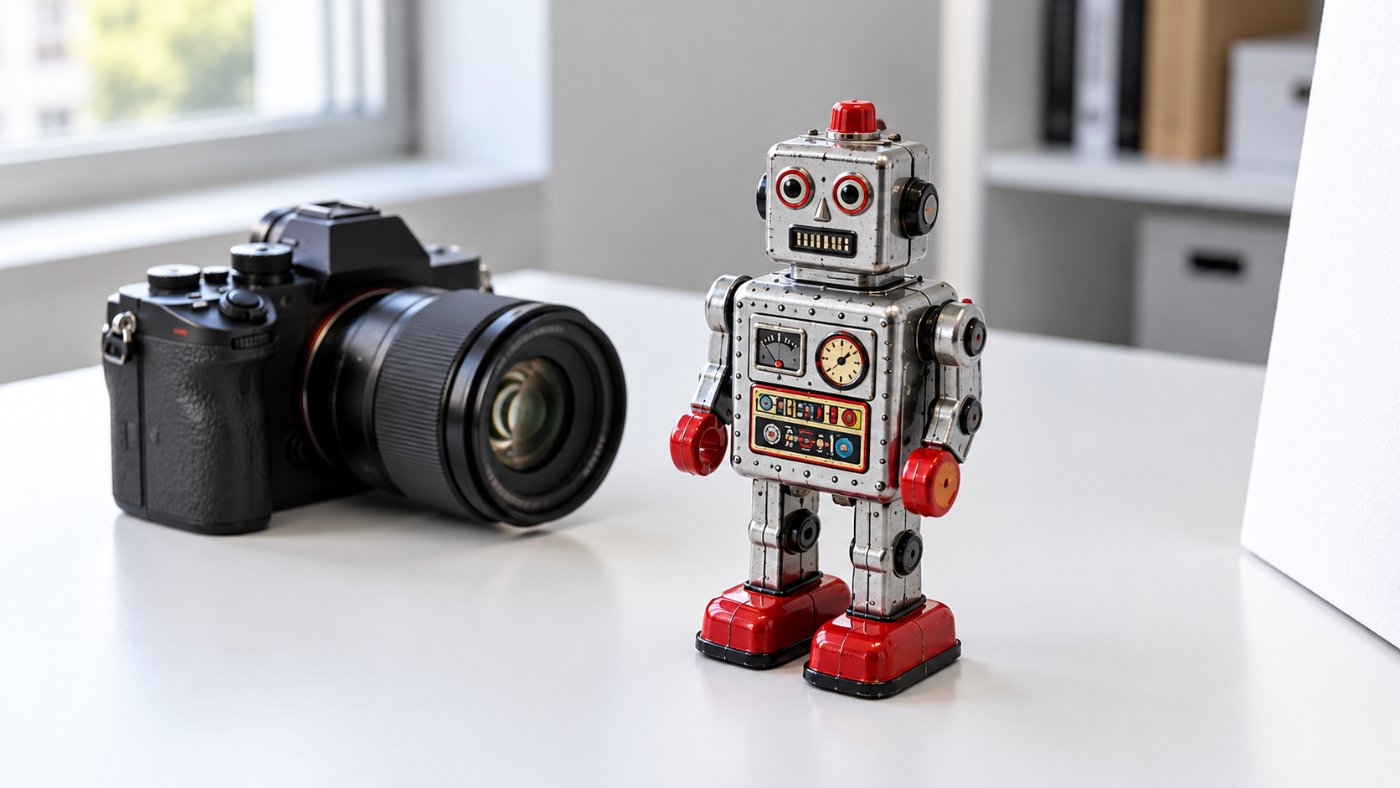
Improve your collection records with better photos. Learn to capture the details you need to identify collectibles, assess condition, and track them accurately.
Open a photograph of a collectible you already own. Without fetching the item, try to read the smallest detail you would need to identify its version.
If you cannot, the photograph may still be a good display image. It just leaves a gap in your record.
Collection photographs have a practical job: they should help you recognise the particular item, inspect relevant condition details and understand what accompanies it. You can check that usefulness with the photos you already have. Often, one additional view will answer a question that several attractive photographs leave open.
Can you identify the version from the image?
Consider a boxed action figure as an example. Your main photograph shows the character clearly through the front window. Someone asks which release it is, so you enlarge the image. The product reference is on the back of the box, which you never photographed.
Taking another front view will not answer the question. A readable photograph of the rear label will.
Look for the detail that distinguishes the version you own. Depending on the collectible, that could be a product number, edition statement, printed card number, or grading label. Check the full text, including the final digits. Recognising the character or model is only the beginning of identification.
CollectorOps can use photos to suggest identifying details when you add an item. Review those suggestions against the visible information and correct them where needed. If the decisive label is absent or unreadable, take a better view rather than accepting a plausible suggestion because it looks right.
For our figure, the useful improvement is now clear: keep the overall image, add the rear label and check that the item's description agrees with it.
Does the condition note agree with what you can see?
Suppose the figure's record says “box in good condition”, but the top rear corner has a crease. A front photograph may be perfectly accurate while showing none of that damage.
Add a view of the back that locates the crease, followed by a closer image if needed. Then make the note specific: “crease at the top rear corner, shown in the rear and detail photographs”. Someone reading the record can now understand the observation without having to guess which part of the box you mean.
Check other images in the same way. A reflection can conceal a mark on a plastic window. A dark edge can hide wear. If an area is not visible, do not treat the photograph as confirmation that it is undamaged.
When taking the missing view, make one change at a time. Adjust the angle if glare covers the detail. If lettering is blurred, steady the camera and check focus. Enlarge the new image before putting the item away. The aim is a readable answer to your question, not a new set of photographs for its own sake.
Keep sealed packaging intact. Record what you can observe through it and explain what remains out of view. There is no need to open a collectible simply to make its record look more complete.
Would the photographs make sense to someone else?
A close-up can show a defect very clearly while giving no clue where it sits. An accessory photographed alone may be hard to associate with its figure. Context is part of the record.
For the boxed figure, a useful set would now contain:
- An overall view showing the figure with its packaging.
- A rear view with the identifying label readable.
- A view locating the creased corner, with a closer image if the wider view does not show it clearly.
Those views answer different questions. If the label and crease are both clear in the rear photograph, you may not need another image. Equally, an important surface hidden by glare may justify an extra view. There is no ideal photo count for every collectible.
Attach the selected images to the item's CollectorOps record and add a short note where their purpose is not obvious. Record when they were taken, especially if older and newer images are kept together. This gives the photographs a connection to the description instead of leaving them scattered through a camera roll.
Reopen the record and try the questions again
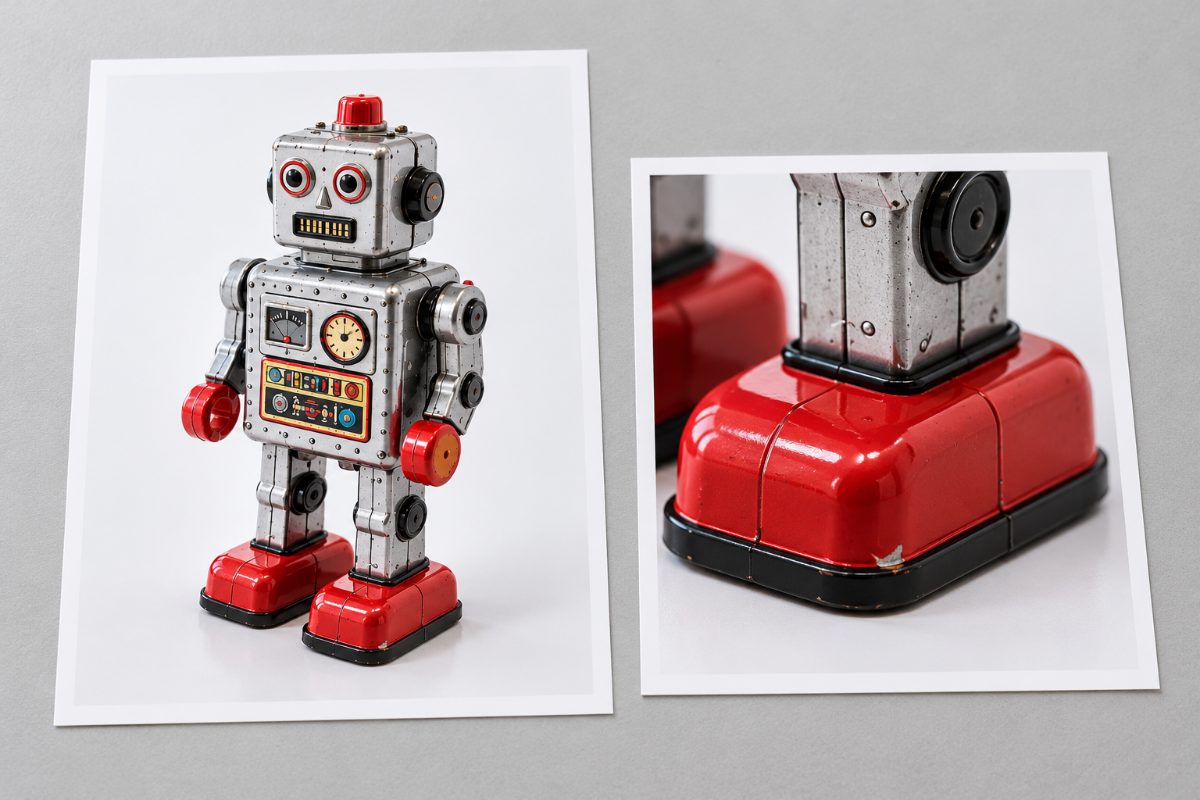
Can you now identify the release from the label? Can you find the crease mentioned in the condition note? Can you tell which photographs show the packaging's current state?
For our figure, the missing rear view has done more than improve the presentation. It has supplied identification detail and made the condition description checkable. You can answer those questions from the record without another trip to the storage shelf.
Keep the original files. Cropping a copy can make a detail easier to read, but retouching away wear or using enhancement that invents detail undermines the record. If the camera did not capture a number clearly, photograph it again.
Start with the missing view that would be most useful, rather than rephotographing the entire collection.