How to Compare Sold Prices for Collectibles
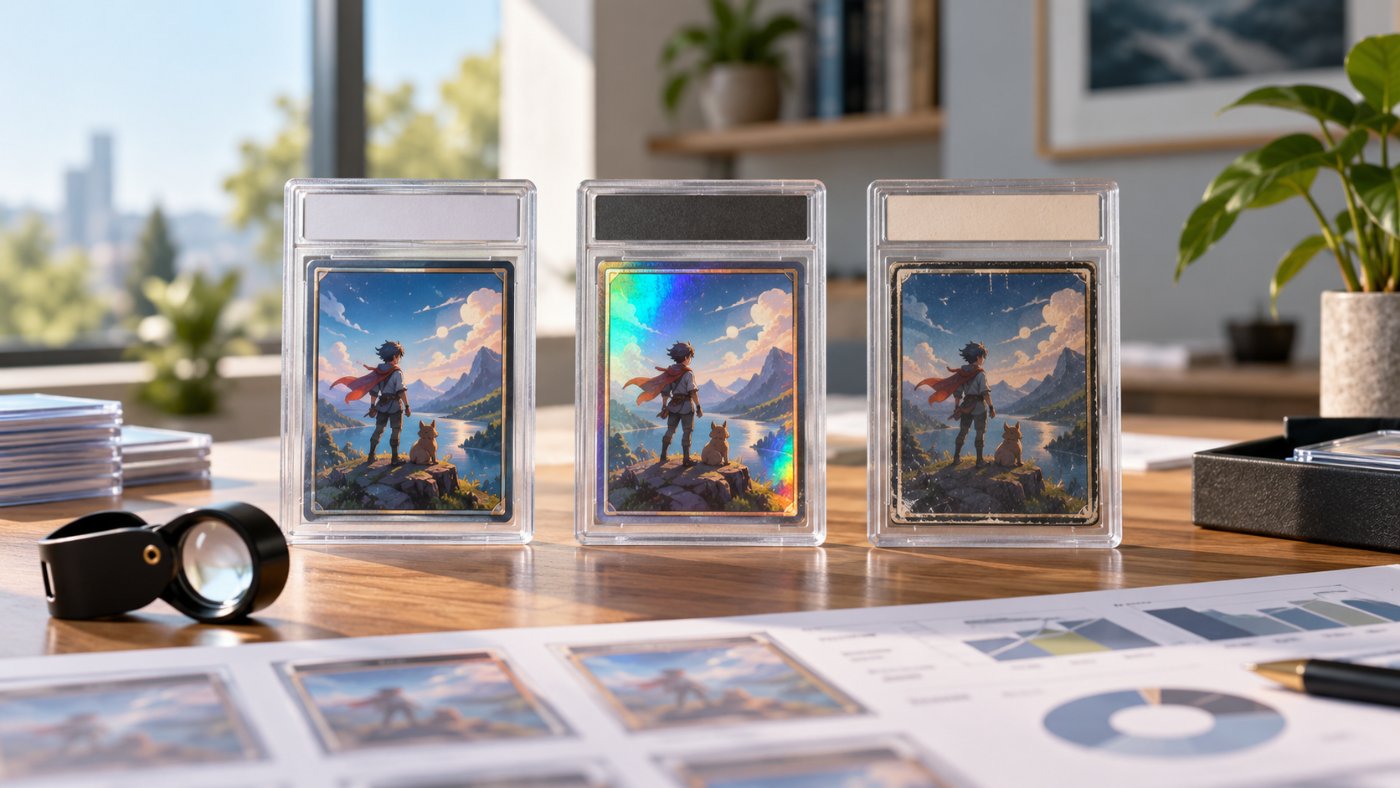
Found a sold price for a collectible like yours? See how condition, edition and grading affect the comparison and what it means for your own item.
You find a sold listing for a collectible you own. The name matches, the photographs look familiar, and the price is encouraging. You save it for later.
Then you notice a detail. The card was graded by a different company. The comic was a different printing. The figure included accessories that yours no longer has. You are still looking at a real sale, but you have another question to answer before that price tells you much about your own item.
This is a familiar part of collecting. The details you enjoy noticing are often the same ones that make a broad price search unreliable. Keeping track of them becomes harder as the collection grows.
CollectorOps brings those details into the item's record and uses its documented attributes to inform an individual value estimate. Understanding what makes a useful comparison helps you build a better record and judge the estimate in context.
Look at the copy you actually own
Suppose you own an English 1999 Pokémon Base Set Charizard #4, Unlimited edition, graded PSA 8. You may usually think of it simply as “my Base Set Charizard”. For a price comparison, the longer description matters.
Start with the card and its holder. Check the edition, grading company, grade and certification number. Take photographs that show both the card and the label clearly. If something about the identification is uncertain, leave yourself a note to resolve it.
In CollectorOps, these details belong with the item's condition notes, purchase information and documents. You can return to the photographs to check an entry rather than relying on what you remember from the last search.
You now have a specific item to compare: an English Unlimited copy graded PSA 8. A sale with the same character and year has further checks to pass.
For a watch, the equivalent questions might concern its reference, configuration, service history and accompanying papers. The particulars change, but the work starts in the same place: describing what you own accurately.
Follow the sale beyond the headline
Three historical results from Heritage's auction archive show how this works. Each was listed as an Unlimited Base Set Charizard #4 graded PSA 8, with a different certification number.
| Sale date | Published sold price |
|---|---|
| 14 January 2026 | US$937.50 |
| 21 January 2026 | US$937.50 |
| 28 January 2026 | US$843.75 |
These are selected historical sales, used here to explain the comparison. They are not a current valuation or an example of CollectorOps' automated output.
Another Unlimited Charizard sold at Heritage on 17 December 2025 for US$843.75, exactly the amount of the final sale above. But that copy was graded CGC 8.5. The matching price could make it look like supporting evidence for your PSA 8, even though the grade and grading company differ.
Keep it outside the direct PSA 8 comparison. Keep the lower-priced PSA 8 inside it. There is no reason to discard that sale just because its price is less convenient.
The three matching results span US$843.75 to US$937.50. They tell you what those copies achieved at that venue during January. A buying or selling decision today would need recent evidence, ideally from more than one relevant venue.
Check what the amount includes too. Heritage's published prices include buyer's premium. Shipping, taxes and a seller's eventual proceeds are separate considerations. On eBay, Product Research can reveal the actual accepted Best Offer, which may differ from the price a seller originally advertised.
Make the details work for your estimate
That distinction between a familiar name and a suitable match is central to CollectorOps' approach to valuation. The platform uses recorded sales and the item's documented attributes to produce conservative estimates. Condition, grading and completeness help determine which comparisons are relevant.
For your Charizard, the edition and grading details are part of the assessment. For a loose figure, its missing accessories matter. A price attached to a pristine, complete example cannot simply be carried across to an incomplete one.
You can read the valuation methodology for the approach and its limits. Where suitable evidence is unavailable, an item can remain unpriced. That also leaves a clear reason to seek specialist input when the item or the decision warrants it.
The collector still has an important part to play. Check the details you enter, correct an identification when you learn more and add documents that clarify condition or history. Better information gives the assessment a sounder starting point.
Keep the explanation you would otherwise forget
Return to that saved sale a few months later. Would you remember why you kept it? Could you tell whether the amount included fees, or whether the copy was actually the same edition?
A short note can preserve the useful part of the research:
“Three selected Heritage sales of English Unlimited Charizard #4, PSA 8, in January 2026. Published results US$843.75 - US$937.50, including buyer's premium. CGC 8.5 result kept separate. Refresh the comparison before using it for a current decision.”
Keep source references with the note. CollectorOps lets you maintain that context alongside the item's photographs, condition and supporting documents. Your purchase price should remain recognisable as what you paid, even when later evidence suggests a different market value.
The record also becomes useful beyond price checking. If you ask a specialist for an opinion, you already have the identification, photographs and paperwork together. For insurance, ask your broker what valuation basis they require. A market estimate does not replace a formal appraisal.
You can then return to your collection without carrying every detail in your head. The next price you encounter has something concrete to be checked against, and the next person reviewing the item has more than a number to work with.
Choose one collectible you know well. Check its description, add clear photographs and its purchase documents, then review its estimate alongside those details. Start that record in CollectorOps for free.