Why I Built CollectorOps and How It Has Grown
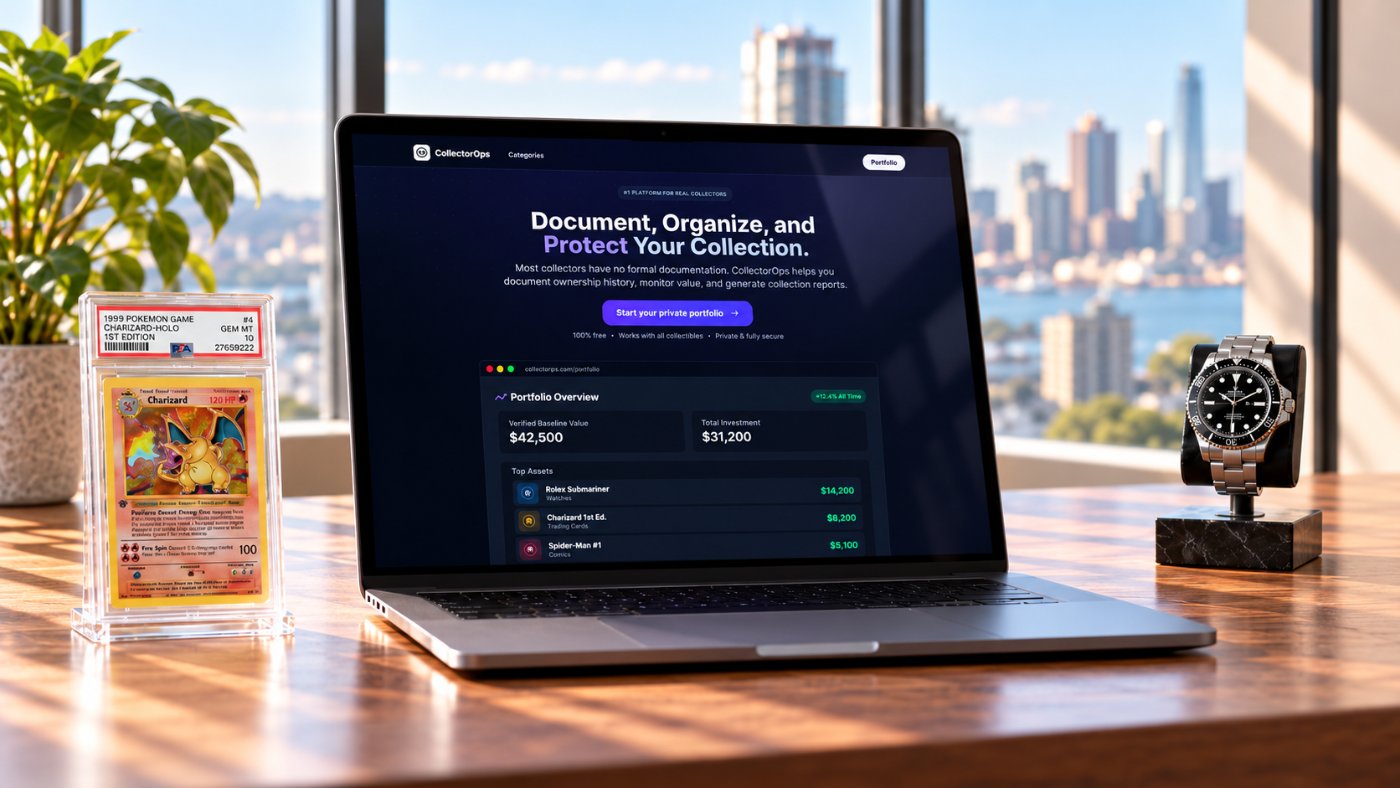
Discover why CollectorOps was built, how it has grown, and how it helps collectors privately document, organise, and manage their collections.
My collecting started with Pokémon promo cards handed out at the cinema. Vintage cards followed, then Marvel comics and figures from the films and series I grew up with. I enjoyed looking after the items themselves. Keeping their information organised took more effort.
I used spreadsheets, notes on my phone, and separate price searches. Each helped with part of the job, but the details about an item could end up scattered across all of them.
I built CollectorOps to bring those records together. It is a private collection management platform where collectors document what they own, track item-specific value estimates, and export their records. Photographs, condition notes, purchase details, and supporting documents stay connected to the item they describe.
The need came from my own collection. Developing the solution meant working through what makes those records useful over years of ownership.
Building around the way I collect
My interests have never stayed within a single category. Cards and comics sit alongside figures and film memorabilia, and I wanted to keep track of them together.
A common inventory made sense, provided it preserved the differences between the items. The details needed to identify a particular comic are different from those that distinguish one release of a figure from another. Packaging, editions, and included accessories can all matter.
Privacy was part of that original requirement too. I wanted to manage my belongings without making the collection public. Being able to export the information was equally important: time spent documenting an item should leave the collector with a record they can keep and use.
Those requirements gave CollectorOps its direction. Much of the work since has been in the detail, particularly the relationship between identifying an item correctly and estimating its value.
Working through the valuation details
My engineering background makes me wary of outputs that look convincing but are difficult to check. Valuation needed that scrutiny.
It is easy to find a price for something with the same name. Establishing whether it is a relevant comparison requires a closer look. An asking price tells you what a seller hopes to receive. Even a completed sale can be a poor reference if the edition, condition, or included accessories differ.
This still comes up in my own collecting. Recently, while researching a Chewbacca PEZ dispenser, I questioned a comparison because its packaging differed from mine. I also had an idea about the age of my example, but wasn't certain. The exact release needed checking before the price comparison could mean much.
That experience reflects a distinction I have spent time refining in CollectorOps: the estimate concerns the particular item you document. A professionally graded card needs suitable graded comparisons. A loose figure needs its completeness taken into account. A market average can hide those differences.
The platform uses recorded sales to produce conservative estimates based on the item's documented attributes. The valuation methodology explains the approach and how insufficient evidence is handled. An item can remain unpriced when suitable comparisons are unavailable.
A corrected identification or newly available document can change an assessment. Keeping the details editable, and the estimate alongside its context, lets collectors improve their records as they learn more.
Keeping the history with each item
Documentation was part of the purpose from the beginning. Working through valuation questions made the connection especially clear: the usefulness of an estimate depends on how well the item has been described.
I also wanted the records to make sense to someone who hadn't built the collection. A family member might recognise a character without knowing which release they were holding. An appraiser might need a close-up of a particular mark. An insurer might ask for an itemised inventory and evidence of purchase.
That shaped the way the information comes together. You can record acquisition details and ownership history, add condition photographs, and attach receipts or certificates to the relevant item. PDF and CSV exports make the records available outside the platform.
The collection documentation checklist sets out what is useful to capture. It also gives collectors a way to spot gaps in records they already have.
These records support discussions with appraisers and insurers. Estimates do not replace professional appraisals, and insurance cover and claim decisions depend on the policy.
Keeping ownership in the collector's hands
I chose to focus CollectorOps on private collection management. Buying and selling sit outside its scope, keeping the attention on ownership, documentation, and access to your records.
Collection records are private to the account holder and are not published to public profiles or search engines. They are stored and processed by the service providers needed to operate the platform, and are not sold or used for advertising. The privacy policy explains the details.
You retain ownership of what you upload. Exporting a spreadsheet or a readable report is part of the core service, whether you need a copy for your own records or want to share information with someone else.
The funding approach follows that same focus. Core collection management features are free, with relevant affiliate links and optional contributions helping to support running costs.
Where CollectorOps stands today
CollectorOps now supports 19 collectible categories, including books, watches, LEGO, and vinyl alongside the cards, comics, and figures closer to my own interests.
Collectors can add items, maintain their records, and produce reports in the same place. Existing spreadsheets can be imported through CSV. Photo-assisted identification helps with entry, with suggested details available for review and correction. Manual entry remains available too.
That matters because a collection already has a history by the time someone decides to organise it. A useful platform needs to accommodate the information they have, including incomplete records that can be improved over time.
I still enjoy the quiet routines of collecting: checking cards before sleeving them, putting comics away properly, and finding a place for a figure. Building CollectorOps has given the information around those objects the same attention.
If your own records are spread across spreadsheets, photo folders, and old emails, you can bring them together in a private collection. Start with an existing CSV or add an item with its photographs and purchase details. Your records remain editable and exportable, and core tracking and reports are free.